Category: Dailies

Tyler Colvin Out For Year: What WGN, FS-F viewers saw

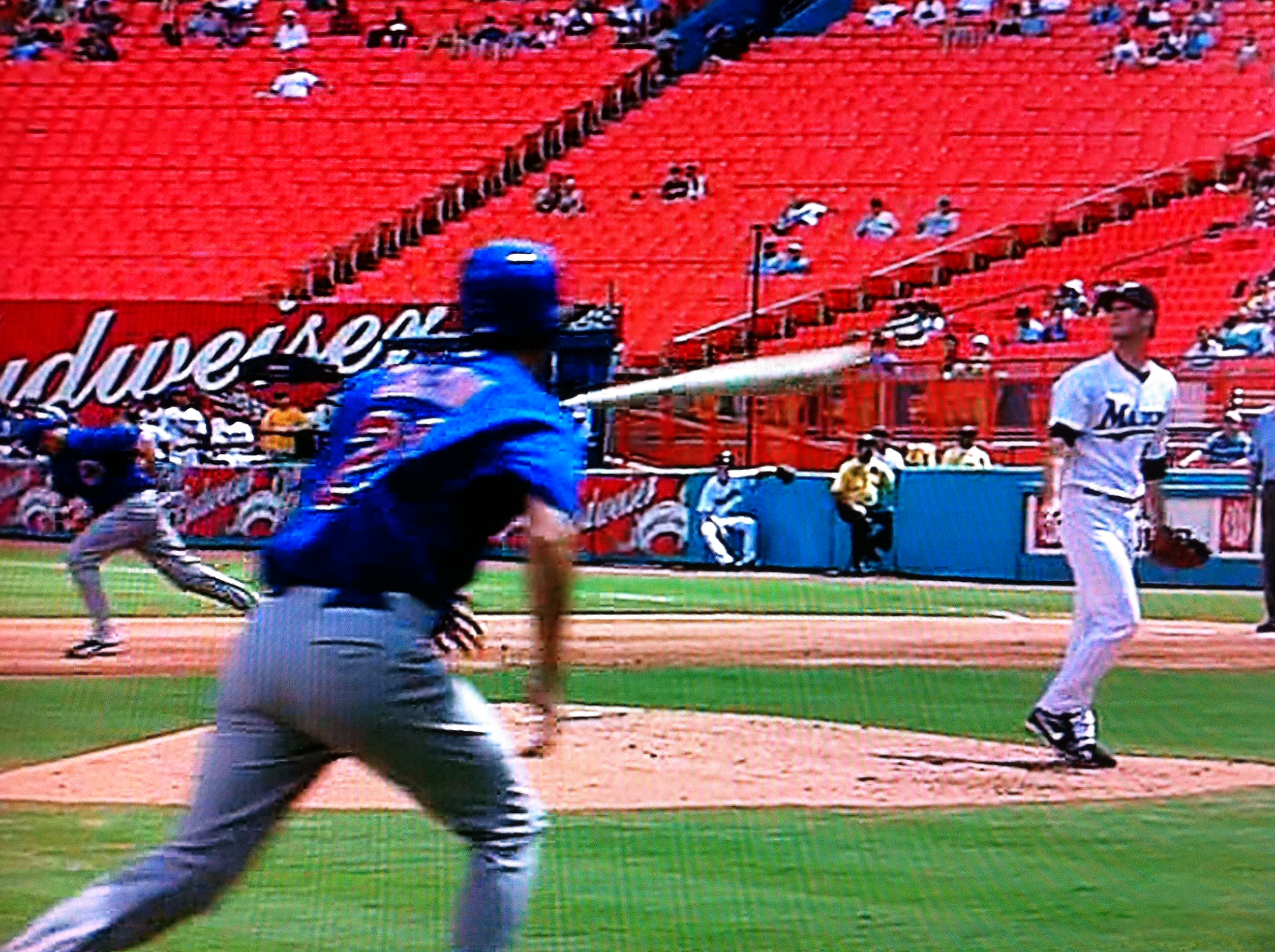
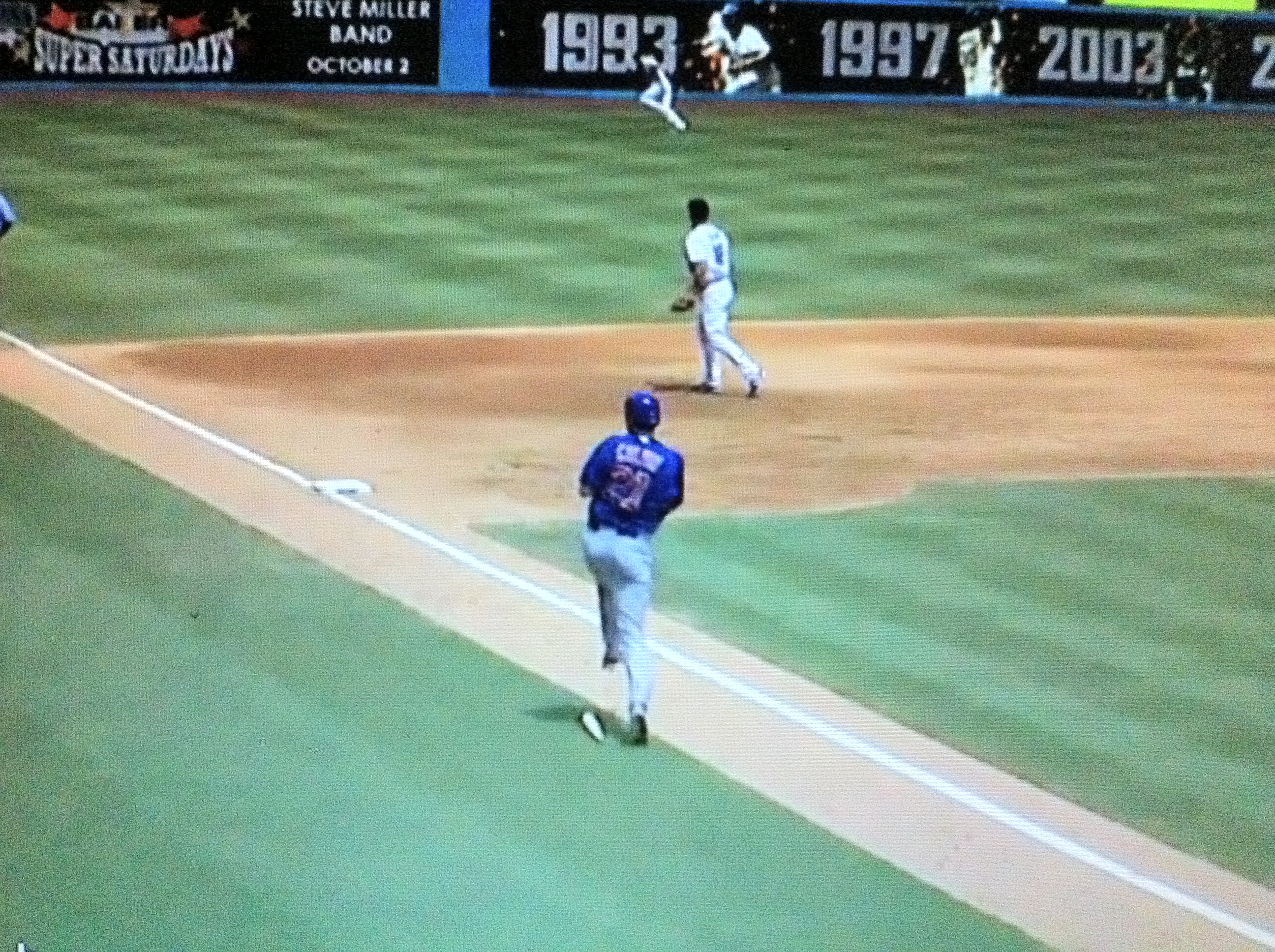
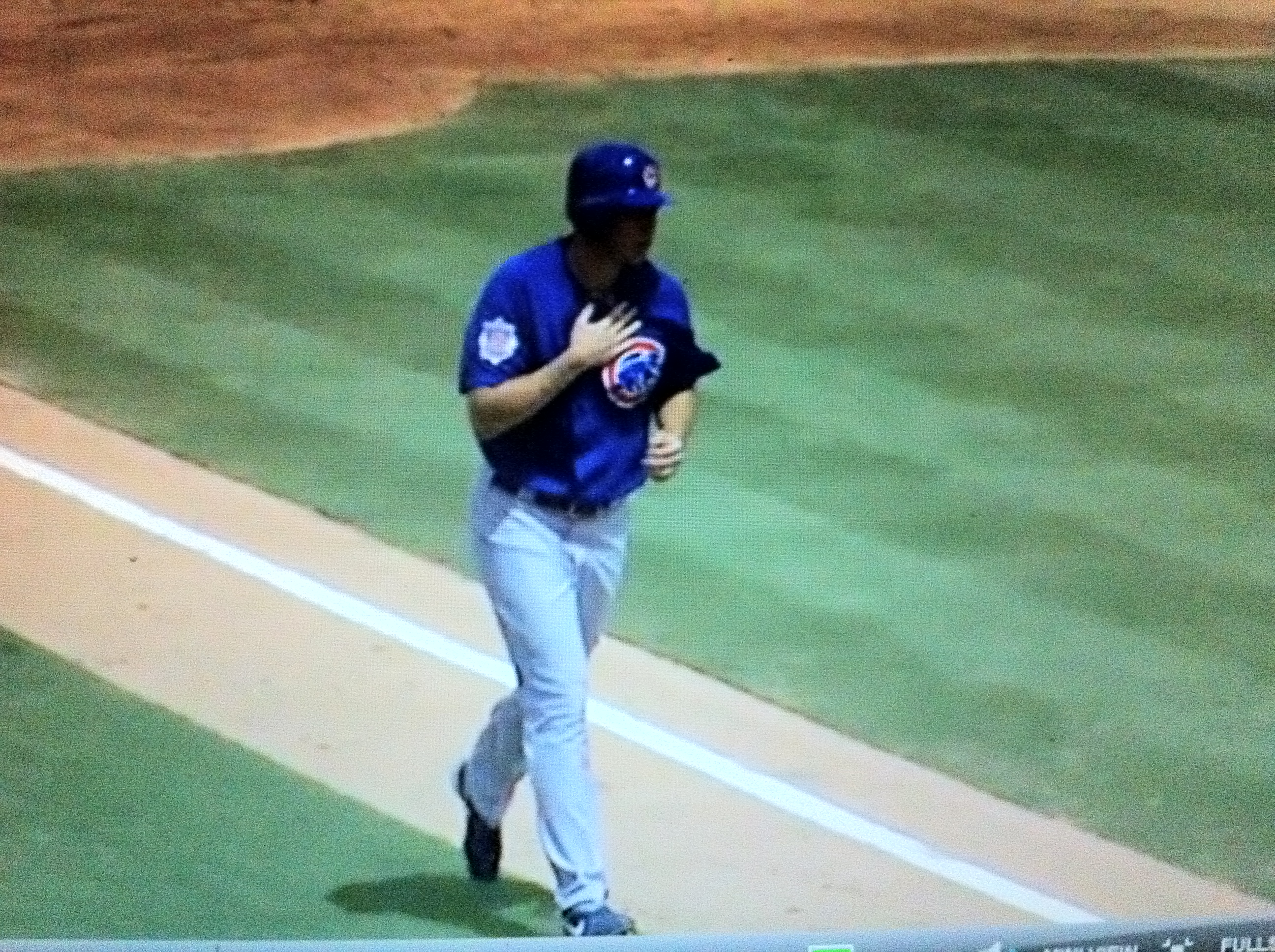
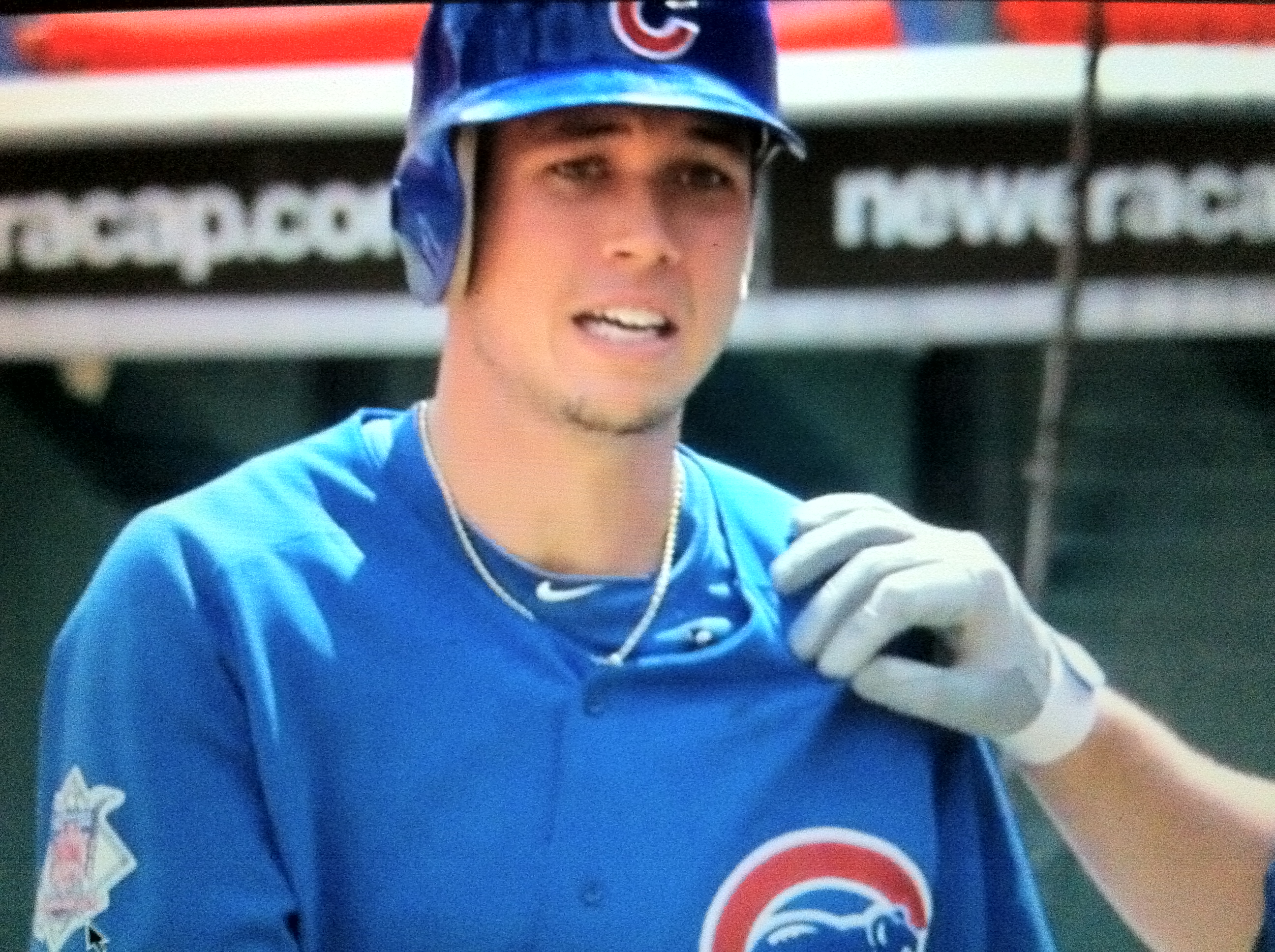
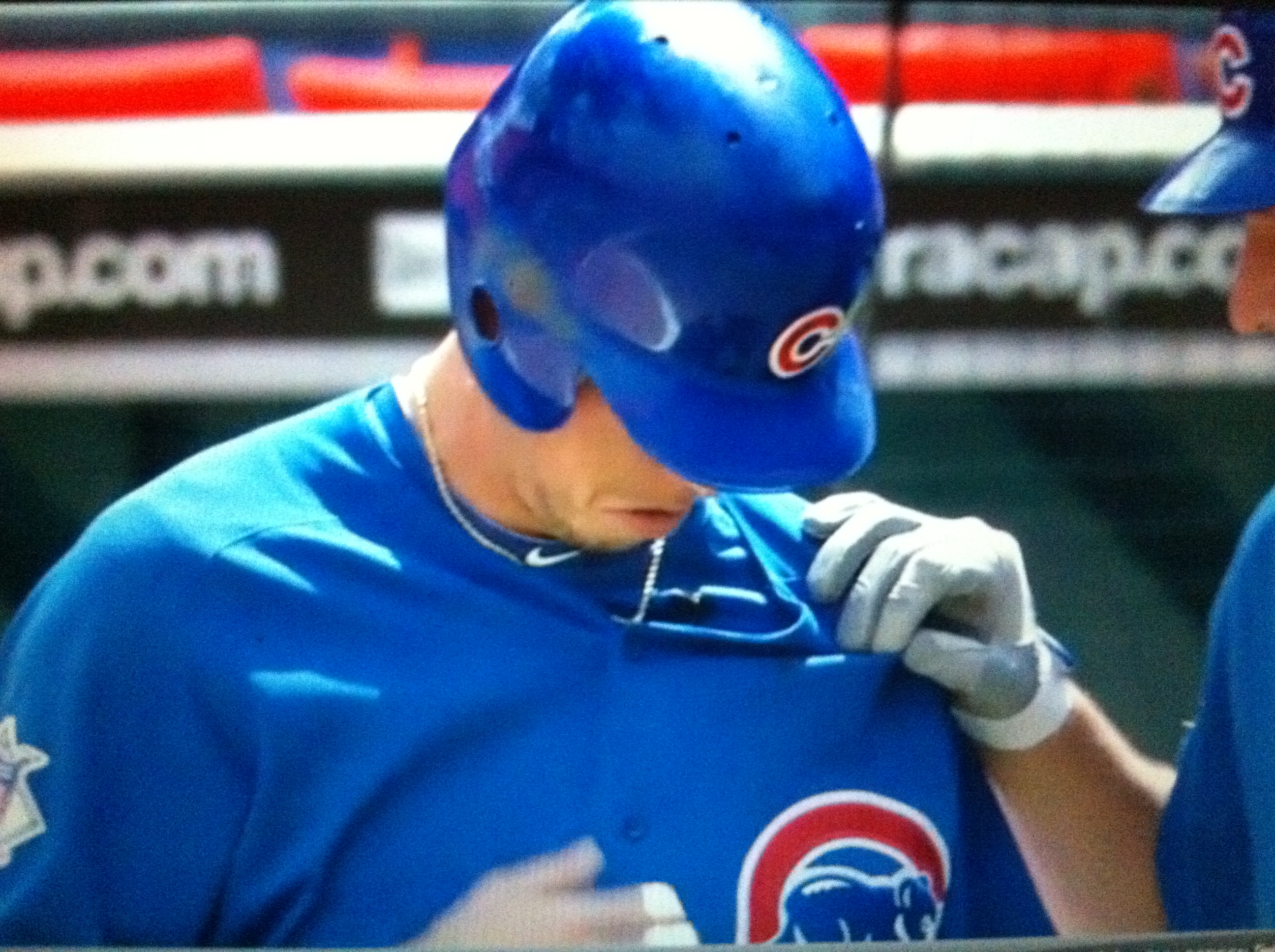
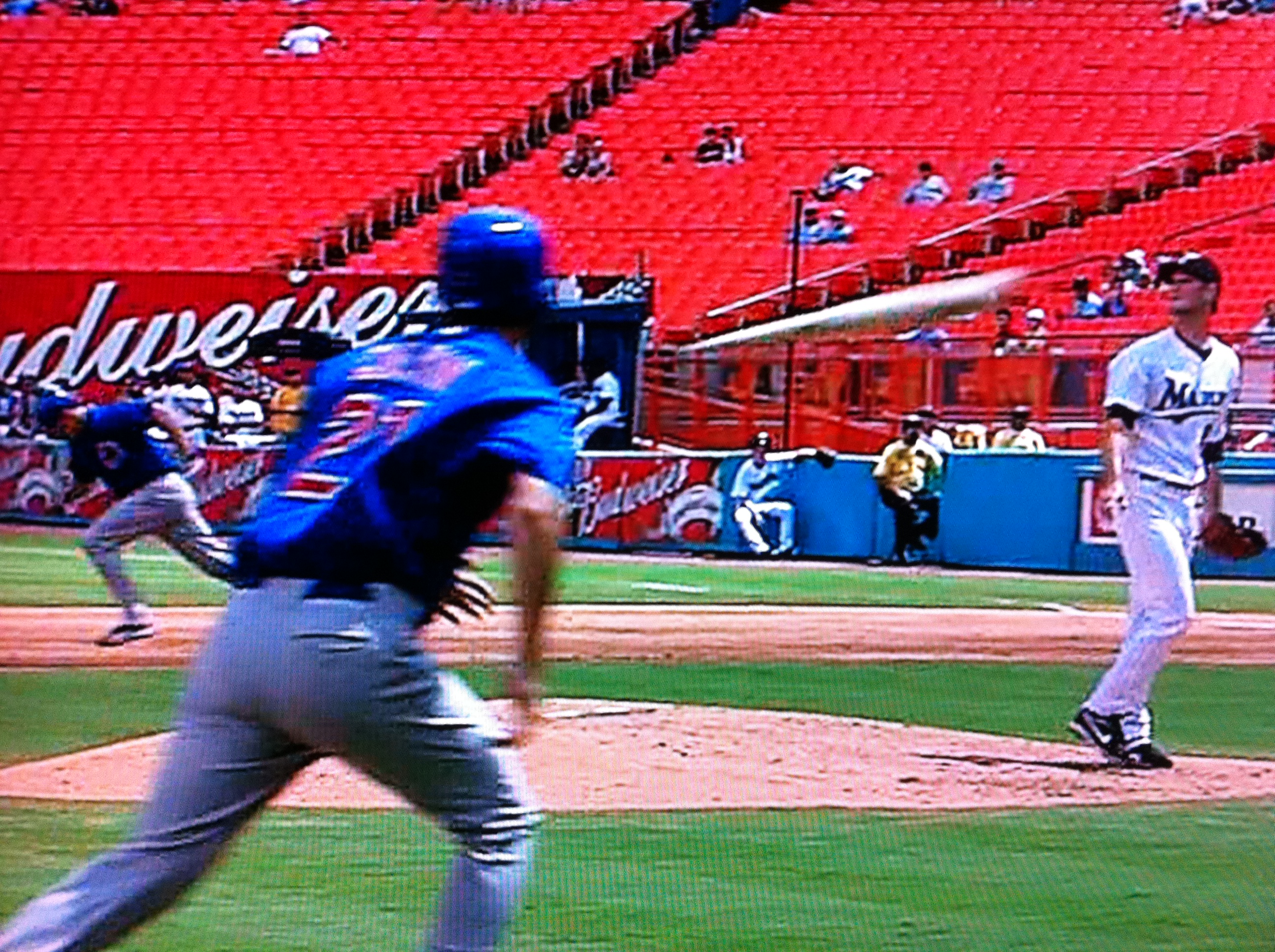
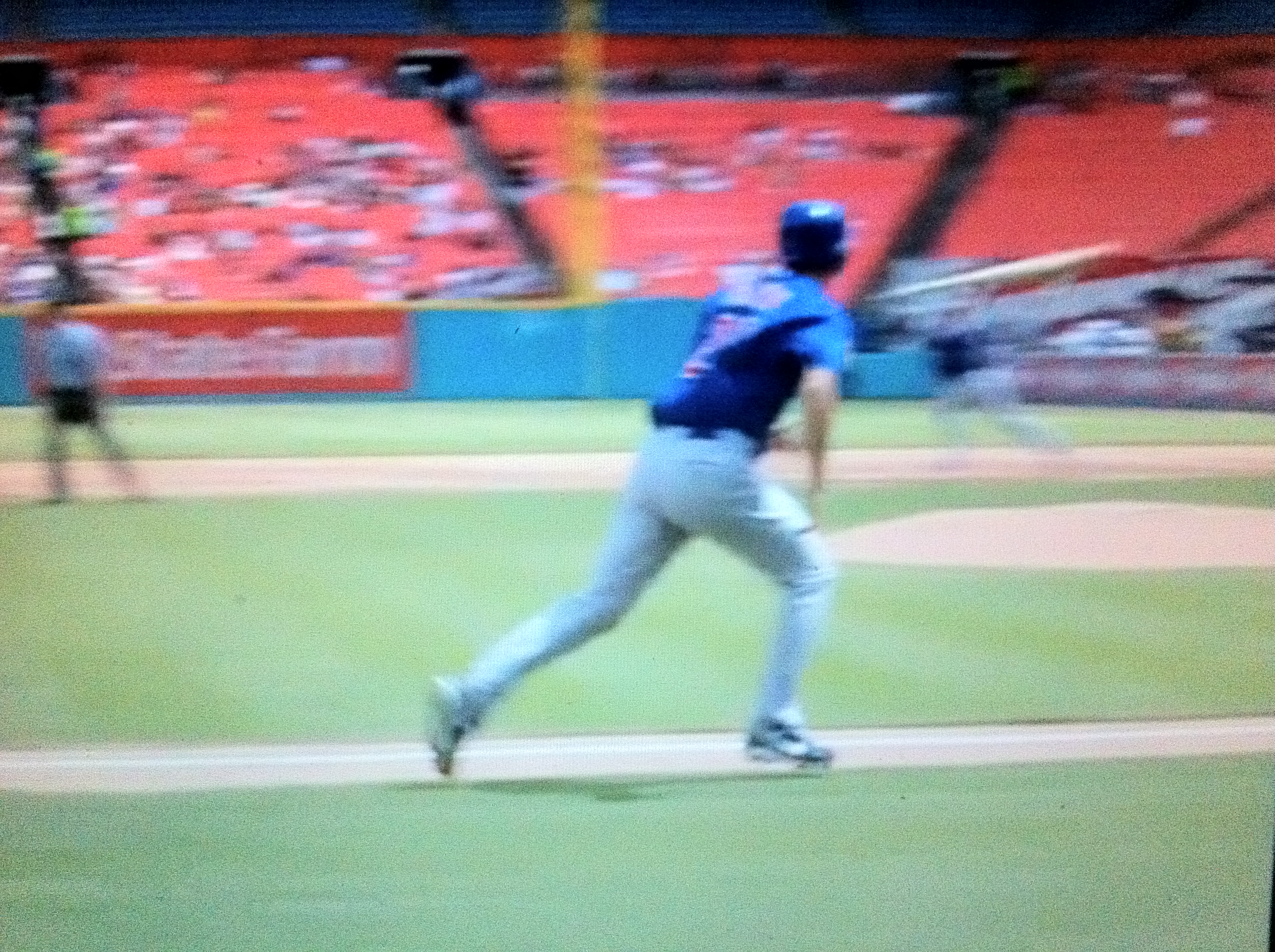
Thanks to the telecasts of the Cubs-Marlins by Fox Sports Florida and the superb DVR service of MLB.Com’s MLB.TV, we get a good, albeit blurry image of the incident this afternoon in Florida in which Cubs’ rookie outfielder Tyler Colvin suffered a season-ending partial lung collapse when he was in the chest speared by a large shard of the broken bat of teammate Wellington Castillo:
IMG_1374.JPG

IMG_1376.JPG

(C) MLB, FS-F, WGN-TV
Paul Sullivan of the Chicago Tribune reports that the lack of blood or evident superficial damage hid a truly dangerous outcome: Colvin is being preventively treated for the possibility of a collapsed lung:
He’s being treated for pneumothorax, a puncture of the chest cavity, which allowed air into the chest wall and the potential of a collapsed lung. A tube was inserted into the wound, and Colvin is resting comfortably, but will remain hospitalized for 2-3 days for further examination, and manager Mike Quade said he will not play again this season.
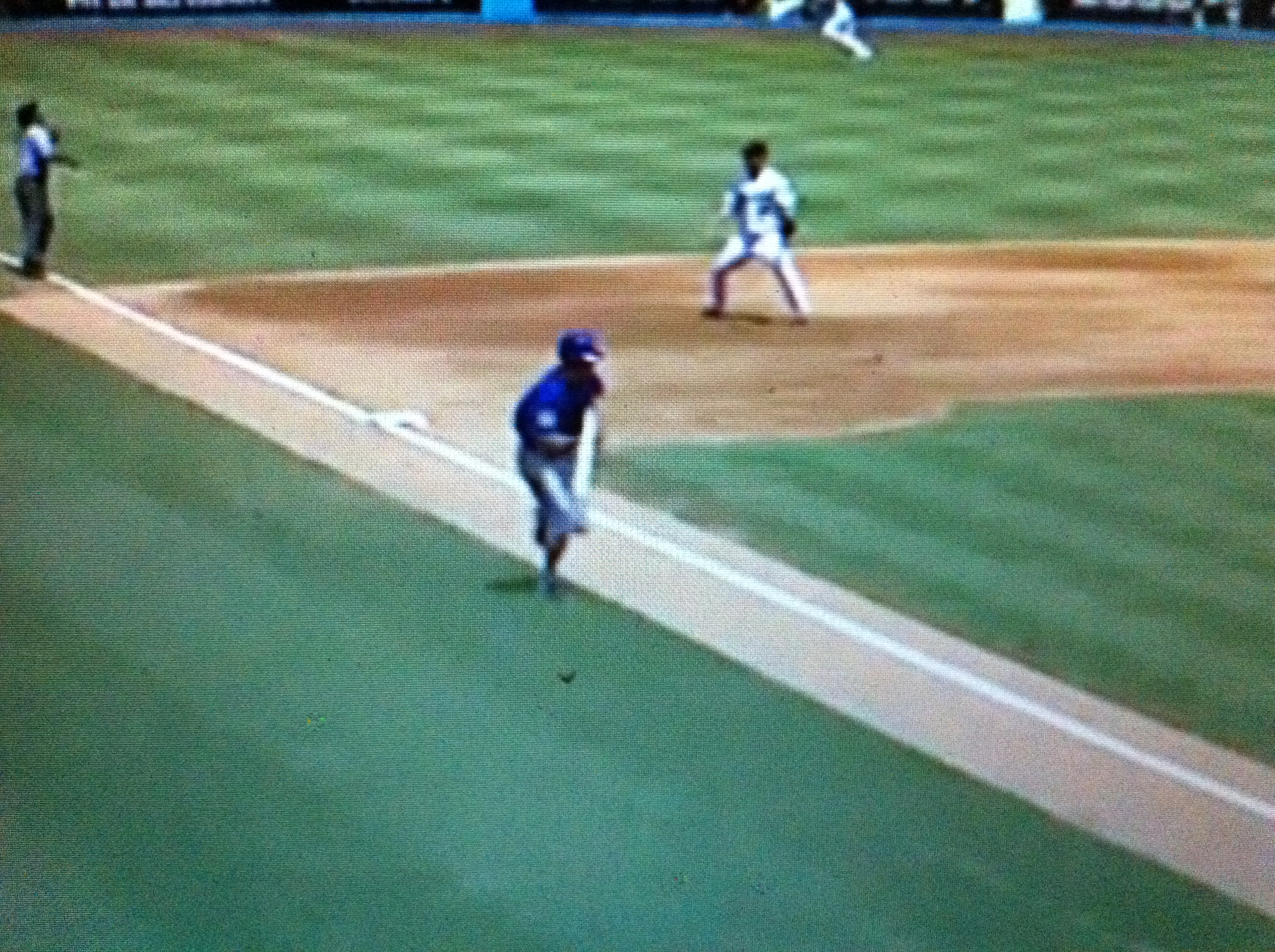
There has been at least one occasion in baseball history where a broken bat shard has struck a player, but that was with a batter in the on deck circle. Bill Russell’s bat shattered and a piece hit his Dodger teammate Steve Yeager in the neck, actually piercing Yeager’s esophagus. Yeager required more than an hour-and-a-half’s surgery, and the injury led to the creation of the “throat flap” that would protect a catcher from a shard (or ball) injury to the same area. But there has never been any innovation to protect any other player on the field and that Colvin’s injury is the first of its kind in recent memory – especially in this day of easily-shattered maple bats – is truly extraordinary.
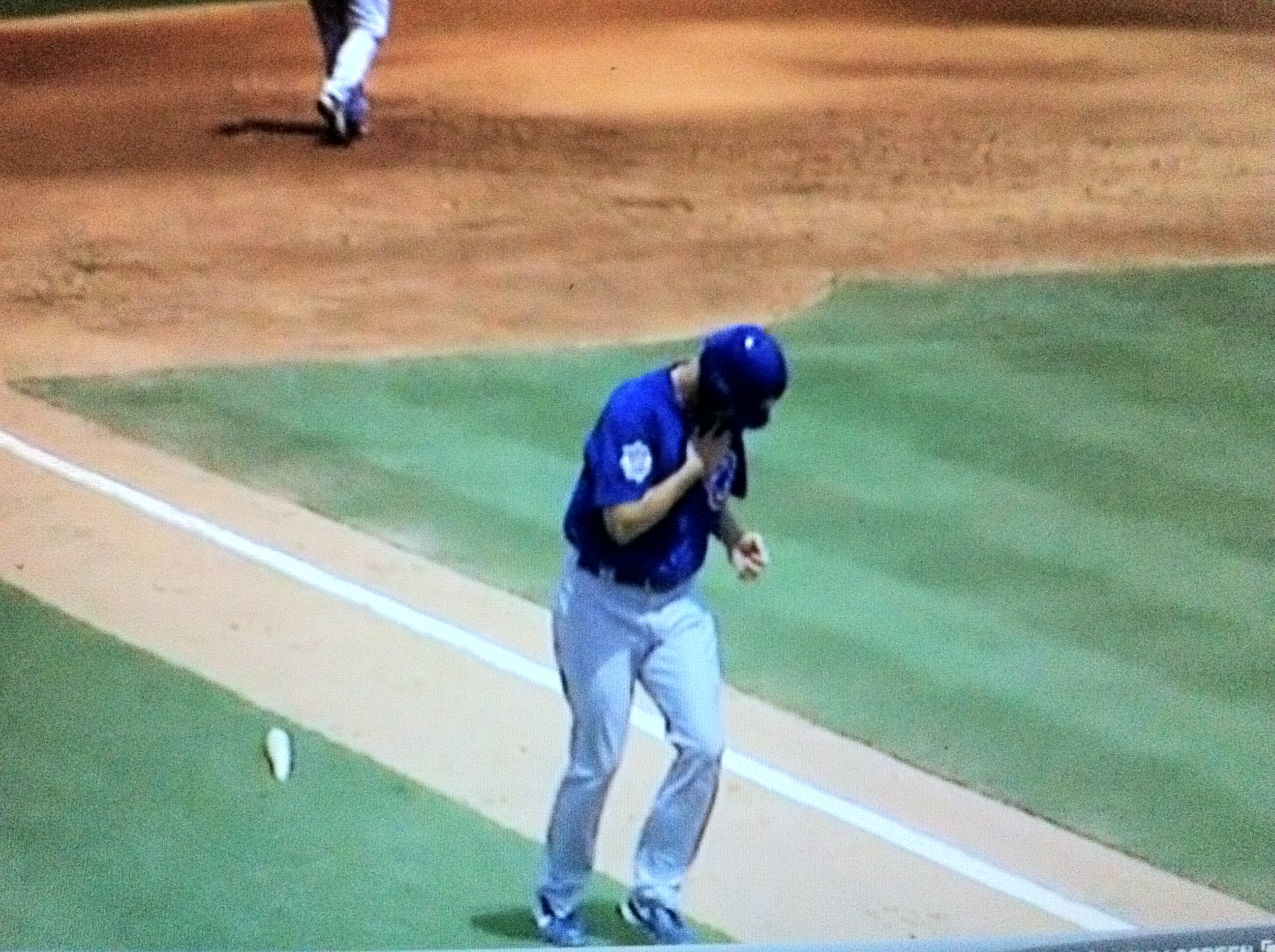
The gruesome images conjured up by the initial reports of Colvin being “rushed” to the hospital after having a broken bat “stuck” in his chest are fortunately not the reality, though these screen captures give an idea just how close a call this really was:
ALL PHOTOGRAPHS COPYRIGHT MLB, WGN-TV, CHICAGO CUBS:
IMG_1352.JPG


IMG_1365.JPG
Reporter Wittenmeyer speculates there’s no reason to think Colvin will play again this season:
With only 13 games left in the season it appears unlikely he will play again this year. Colvin is tied for the major-league rookie lead with 20 homers.
IMG_1367.JPG
IMG_1369.JPG
IMG_1371.JPG
IMG_1372.JPG

Expectations And More Minor Leaguers

My apologies for my negligence here of late. It’s been busy.
I hope to expand on each of these items separately in the next week, but watching the Rays, Rangers, and Reds flourish (as predicted in March/April) I’ll get cocky and make a few late-season and off-season forecasts:
The Red Sox got so hurt that the Yankee late-season fold (also predicted here) can’t be so bad as to include sliding completely out of the playoff picture. But if they don’t at least get back to the Series I would now expect pitching coach Dave Eiland to be dismissed, and possibly manager Joe Girardi with him. Take the bizarre pitching decisions of this Tampa series and add them to the skid Girardi steered them into during the playoffs against the Angels last year, and you have an issue that seems to become a crisis when the chips are really down.
I also would not be at all surprised to see both New York teams have new shortstops next year. Given the number of Gotham reporters and their traditional fixation with the bad, it really is amazing how little has been written about the deterioration of Jose Reyes’ defense. The Mets will at least try to trade him this winter. And in the Bronx, if it were anybody but Derek Jeter, reporters would’ve tried to run him out of town by now. Jeter has completely collapsed offensively, and is, from what I’ve been told, not handling it or the attempts to correct it, very well. At the present rate of decline he has no bargaining position in the free agent winter ahead and his best hope to stay in New York is on a one-year deal at a (comparatively) low salary and some kind of token, face-saving mutual option. If not he will be an offensive question mark picked up by a team hoping to capitalize on his reputation and his past.
Venturing further afield, I am beginning to suspect Ryne Sandberg will not get the Cubs’ managerial job. There is a future for him at Wrigley Field if he wants it, but the internal reviews of his work running Cubs’ farm clubs these last few years turns out to be far less sanguine than I had been previously told.
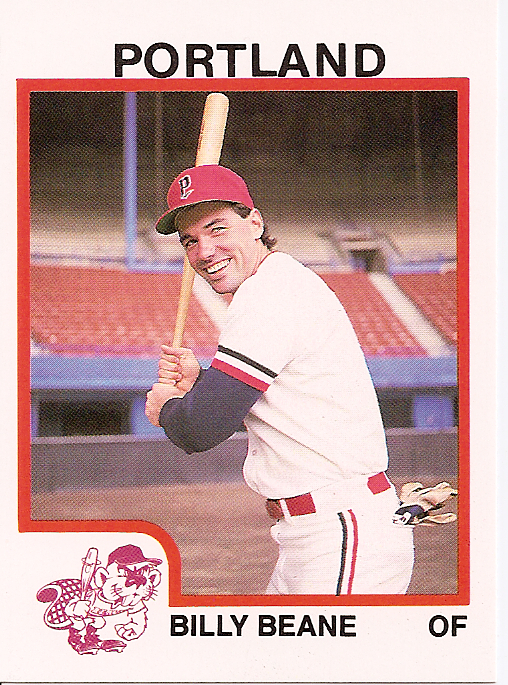
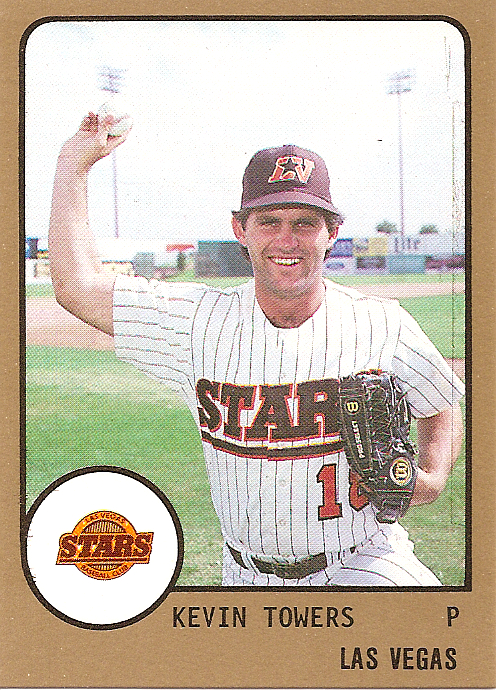
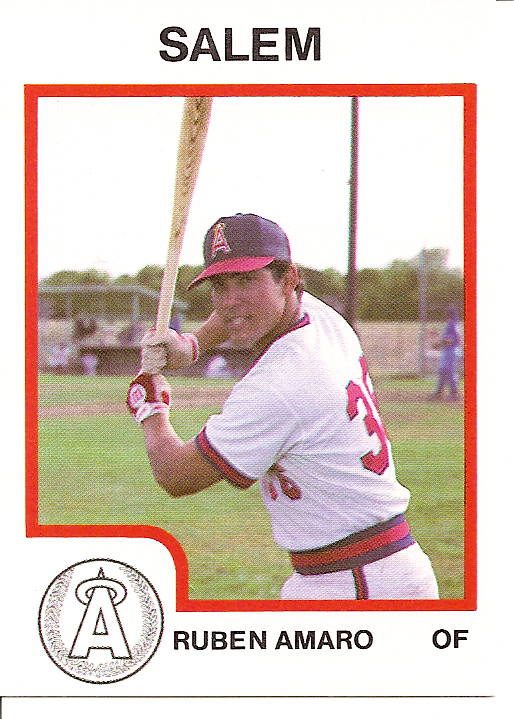
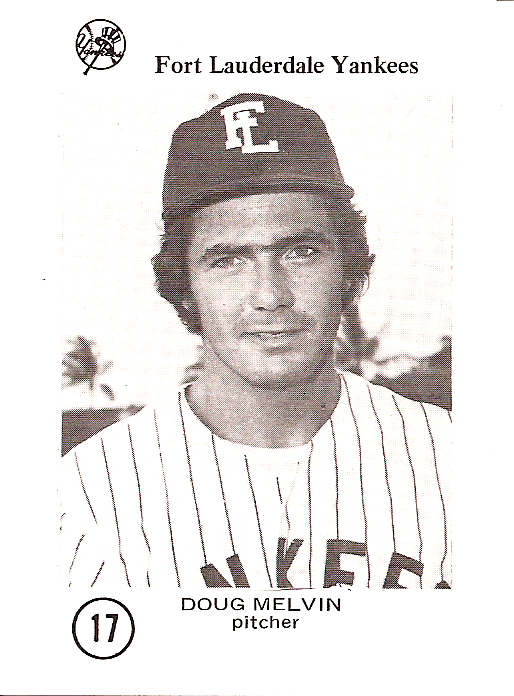
Now, for your dining and dancing pleasure, a few more of those wonderful minor league baseball cards of current big league figures:
75Melvin.jpg
87Beane.jpg
88Towers.jpg
87Amaro.jpg
Yes, it’s General Managers – three current, one former/possibly soon-to-be-again. That’s Doug Melvin of the Brewers on a Neil Sussman set of the 1975 Fort Lauderdale Yankees of the Florida State League, Billy Beane of the A’s from ProCards’ Portland PCL set from 1987, Kevin Towers (formerly of the Padres, perhaps next of the Mets) in the same company’s Las Vegas PCL set from a year later, and Philly’s Ruben Amaro in his pro debut at Salem of the Northwest League in ’87.

So Good To See Buck Showalter Again (Not)

Update: Within an hour of posting this, I got an email from an old friend who used to be a national baseball writer for a major metropolitan newspaper. He reports that when Buck Showalter was the manager of the Arizona Diamondbacks, he pulled the same stunt on him as I outlined here. So we have a recidivist Manager-Who-Throws-His-Players-Under-The-Bus. 

From Yankee Stadium: On Sunday, August 22nd, 1993, the New York Yankees were tied for first place in the American League East with the Toronto Blue Jays. As I watched in horrified astonishment from the press box, they were 4-hit by Chris Haney, a soon-to-be journeyman pitcher who would end an eminently frustrating career with an ERA of 5.07. The Yanks, now in second place and flying out to Chicago hours later that afternoon for a critical series, were in big trouble and had a lot to worry about. Or so I would’ve thought as I ventured into the clubhouse to commiserate with my friend Danny Tartabull. 

photo-6.JPG

There to my shock I found the usual crowd of reporters but – 10 or 15 minutes after the game had ended – not a single player. Worse yet, though nothing was said, several of the reporters seemed to be staring at me. That’s when Yankee factotum Arthur Richman took me aside: “The manager would like to see you.” I asked Arthur if I had been sent to the Yankees’ farm club in Columbus. “Matter of fact, you have,” he deadpanned. Inside there was second-year boss Buck Showalter, affable and cordial and welcoming. After a few pleasantries he began his soliloquy: “I asked you in here, because when I saw you on the field before the game I was frankly worried for your safety. Some of them truly do not like your style on SportsCenter and I thought someone was going to take a swing at you. These guys claim to ignore the media but every day our newspaper recycling bin is full. Actually, the players refused to come into the clubhouse until you leave. Me, I don’t care, I have a tough skin, you’re a bright fella and you know your baseball and you make me laugh. But I thought Boggs or especially O’Neill might take a swing at you.” Having startled me with this announcement, Showalter asked a question. “Far be it for me to tell you how to do your job, but how much of that job is dependent on access to the players?” I told him that conveniently the answer was none. He was silent for awhile. I told him it was all academic because I would be leaving SportsCenter soon to join our new ESPN2 product. Showalter smiled. “Well, we have a flight to catch but it’s been a pleasure. Sorry I had to be the bearer of such bad tidings about how the players feel about you but I really thought you needed to know.” I left the Stadium quickly, wondering not just about the oversensitivity of the Yankees, but more importantly why they would be worried more about me than about getting shut out by Chris Flipping Haney. 
I’m not going to say the story haunted me, but I renumbered it. So at the ESPY Awards of, I guess, 1997, I was more than a little worried as I saw a door open and several Yankees step out. As I tried to look shorter, the outfielder extended a had: “Keith! Paul O’Neill. Big fan!” I rushed through my thanks to tell him the Showalter story. “What? That was you? Nobody was avoiding you. Buck ordered us into the trainers’ room. 25 guys in there like sar-blanking-dines! All he told us was there was a reporter he hated and he wanted to air out and we needed to stay put till he let us back in the clubhouse.” Several beverages and second-hand Showalter stories later O’Neill brought it back up again. “You ever heard of me hitting some BODY? All I do is hit water coolers. That Buck!” 
There were two former Yankee managers at the Stadium today, Showalter and Yogi Berra. It’s nice to see Yogi in such good health again.

Judge And Nyjer…eeeee

Here’s the least likely sentence I’ve ever written: Nyjer Morgan has truly damaged the great tradition of The Washington Nationals franchise.

Seriously, MLB has to step in – and quickly – on what you can smell from a thousand miles away is a serious and blossoming anger management issue. The Washington outfielder has, in less than a fortnight, thrown a ball into the stands (apparently at a fan), collided brutally with two catchers on two occasions when he should have slid, slid too aggressively into basemen at second and third, precipitated a bench-clearing brawl after a message pitch that didn’t come close to him, and then shouted obscenities at the Florida crowd in full view of the television cameras. And we’re not even bringing up what happened last May, when he threw not a fit nor a ball, but a glove when he mistook a ball in play for an outside-the-park homer.
That Morgan was pleasant and even nonchalant in interviews afterwards suggests the dimensions of his disconnect. The ex-junior hockey player described himself as simply playing hard, and his supporters suggested it was just ‘the hockey coming out in him.’ In hockey, if you did all this in a week or two, they’d have sent you back to Medicine Hat.
Most disturbingly, perhaps, is that his manager Jim Riggleman seemed to address only Morgan’s pair of steals in tonight’s disaster in Florida. Rig was right: the steals were fine. Nothing else about Morgan is, at the moment, and the Nationals or MLB might be doing him a favor by suspending him for the balance of the season and getting him some help. 
A QUICK NOTE ON SEPTEMBER NL CALL-UPS:
Freddie Freeman is the marquee name and it certainly was a surprise to see him and not Derrek Lee starting against the Mets on September 1st, but I don’t really know how much work he’ll get in Atlanta as the Braves go all out to wrap up Bob Cox’s career with a winner.
The premium player among the immediate recalls – at least in terms of opportunity – would seem to be Brandon Allen of the Diamondbacks. Arizona hasn’t had a leftfielder all year and the converted first baseman seemed to take to the position neatly in his seasonal debut (and added the grand slam). Brian Bogusevic of Houston, Yonder Alonso of Cincinnati, and Mat Gamel of Milwaukee were immediately summoned but seem to have little to do. Of all possible rotation inserts only the Mets have made a move, bringing back Jenrry Mejia and putting him right in against the Cubs at Wrigley on Saturday.
Oh and this Chapman guy might be of some use. Somebody around here picked the Reds to win the NL Central, as I recall.

The Strasburg Redux

With today’s unfortunate news out of Washington I thought it was appropriate to do something I’ve never done here before, and re-post much of what I wrote about Stephen Strasburg on June 13 under the title “Right Now He’s Karl Spooner, Maybe Harry Krause.” This was, sadly, prophetic, and I sincerely hope it’s only temporary.
From June 13:

…as comparisons have been thrown out to Clemens, Ryan, Koufax, Pedro Martinez, Kerry Wood, Smoky Joe Wood, and everybody except Smokey Robinson And The Miracles, it is useful to remember that there have been more impressive starts. It is also useful to remember – as The Strasburg is either a potential victim of bad mounds around the sport, or is generating such strength that he’s gouging out good mounds – that injury has undone pitchers who have broken in even more impressively than has The Strasburg.
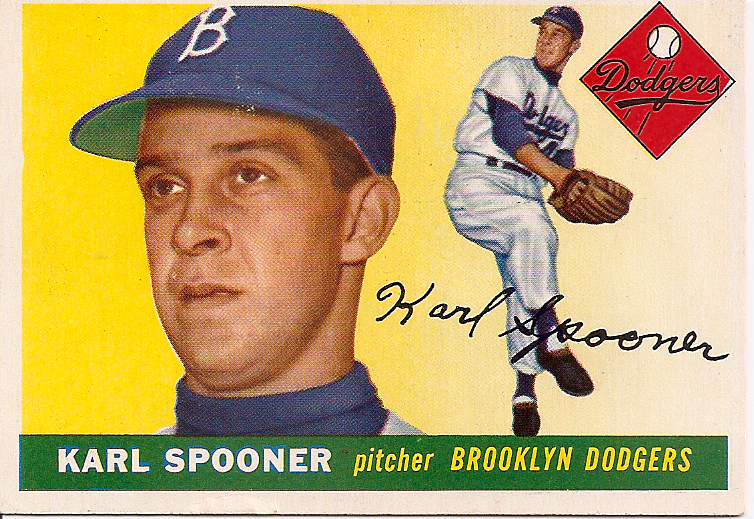
Karl Spooner is the most obvious 

warning story, but the match is a lot weaker than first blush might suggest. Spooner is the most tragic of baseball’s pitching prospects (this side of Steve Dalkowski, anyway). After a 21-9 season at Fort Worth of the Texas League in 1954 (262 strikeouts, 162 walks), the lefthander was promoted by the Brooklyn Dodgers, who gave him two late-season starts. Spooner proceeded to shut out the New York Giants on three hits, 3-0, in his debut, striking out 15. Four days later he shut out the Pirates on four hits, 1-0, striking out 12 more. With Strasburg exiting early today, Spooner’s record of 27 strikeouts in his first two starts remains unchallenged. 
But those strikeouts are a little less impressive than they look. The Giants, who had already clinched the National League pennant and would within two weeks sweep the heavily-favored Indians in the World Series, began pulling their starters in the second inning. In fact, ten of Spooner’s 15 K’s were against seven batters who averaged only 62 At Bats in 1954. Three came at the expense of back-up shortstop Billy Gardner, two against Joey Amalfitano (a “Bonus Baby” who had only five At Bats all season), two against pitchers. Five Giants regulars faced Spooner: Alvin Dark, Whitey Lockman, Don Mueller, and future Hall-of-Famers Monte Irvin and Willie Mays. They got nine AB’s against him; he struck out only one of them (Irvin).
In Spooner’s second start he didn’t do quite as well against a much weaker Pirates’ line-up. Nine of the twelve strikeouts came against rookies, including three from Nick Koback, a catcher who only had seven At Bats that year in which he didn’t strike out against Karl Spooner. Starting shortstop Gair Allie, who only appeared in the majors that one season, struck out twice, as did transient pitcher Jake Thies. That trio accounted for seven of Spooner’s dozen.
Spooner, of course, hurt his knee during a spring training game in 1955 and lingered ineffectively through his full rookie year with the Dodgers – then never pitched in the majors again.
IMG_2446.jpg
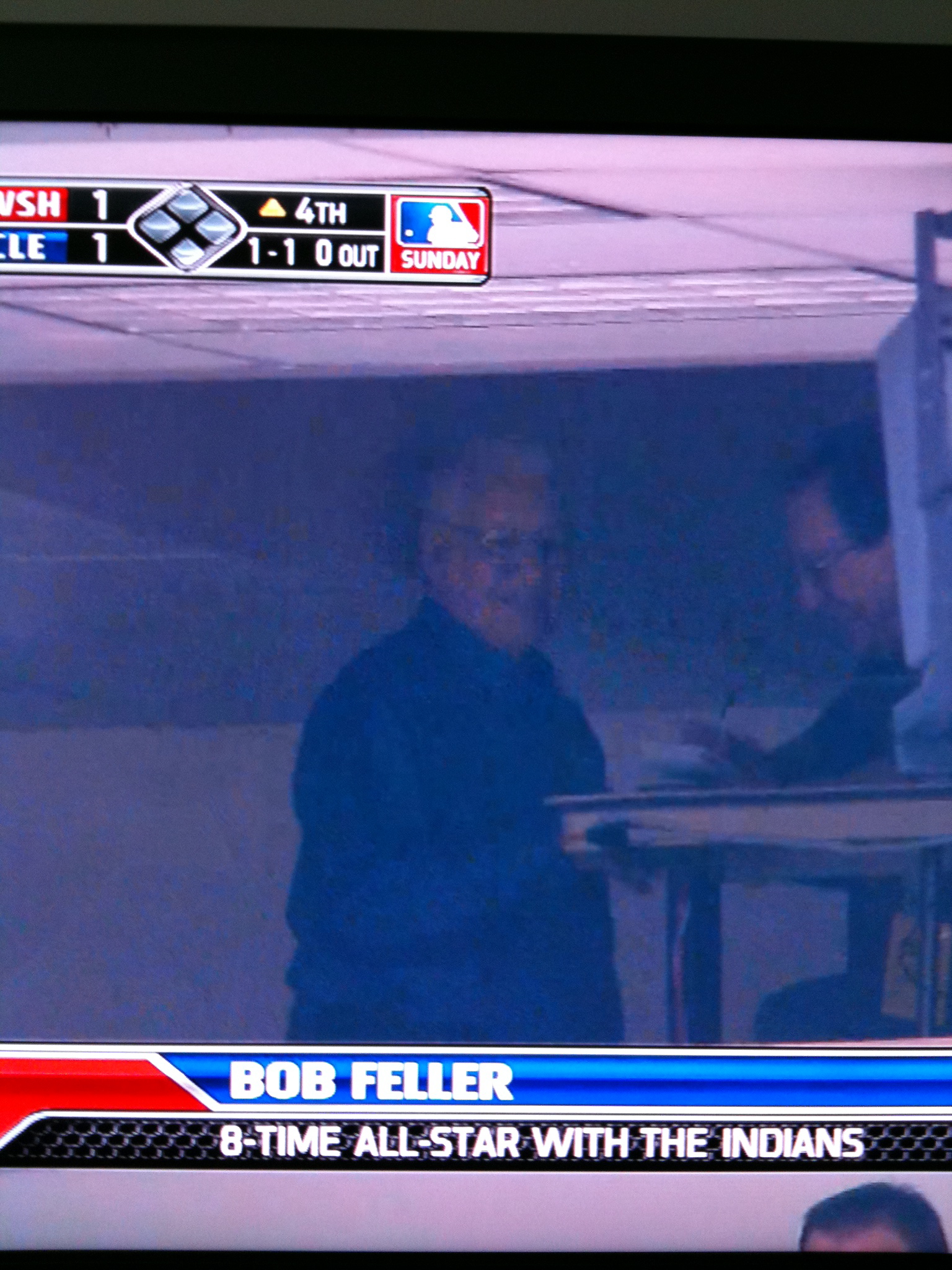
Bob Feller was at The Strasburg’s second start today in Cleveland – on the right you’ll see how TBS just barely caught the extraordinary pitcher in the press box during this, his 55th season in retirement. 
The mind reels at the thought that the year before Feller signed with Cleveland, Walter Johnson was still managing the Indians, and Babe Ruth was still playing. Feller knew them both – knew Johnson very well – and knew all the others, including guys who played in the World Series of the 1880’s, and everybody since – and today he watched The Strasburg.
It’s intriguing to look back at Feller’s debut, fresh out of high school and with his 18th birthday still months away. Impressively, the Indians rolled Feller out slowly in 1936,  having him work exclusively in relief for his first month, then finally starting him against the St. Louis Browns on August 23. He struck out 15 that day, and while a review of the box score would not produce a lot of household names only one K came at the expense of an utterly obscure player, a St. Louis catcher named Nick Giuliani. 
The Tribe again used Feller in relief for a time before giving him his second start on September 7, again against the Browns. He struck out ten. On the 13th he came back with his mind-boggling 17 strikeouts at age 17, against a Philadelphia A’s team that had a fill-in double-play combination of Hugh Luby and Rusty Peters who whiffed four times combined, and pitcher Randy Gumpert, who added a pair.
The play-by-play is incomplete for the pitcher with the greatest two-month start in the game’s history. Like Spooner, Harry Krause provides a cautionary tale about injury. He had started two games for the A’s early in the 1908 season, splitting decisions, and then went back to the minors. He stuck again in 1909 but didn’t get a start until May 8. After a neat 1-0 win, he still didn’t get another start until the 17th (the A’s had Hall of Famers Chief Bender and Eddie Plank ahead of him, and Cy Morgan, and Jack Coombs – who would blossom in ’10 to win 31 games). Krause then did it again – a 1-0 win (in twelve). Still he didn’t get another start for twelve days. The third victory earned him his spot in the rotation, and by July 11 he was merely 10-0 with 10 complete games, six shutouts, and four 1-0 wins. And then something in his arm began to hurt…
Krause was 11-1 lifetime at the time of the injury. He went 25-25 the rest of the way. Remarkably, despite whatever the injury was (“Sore Arm” was literally the catch-all medical diagnosis well into the 1970’s), he would win 249 games over 16 further seasons in the Pacific Coast League.

Piniella, New Managers; More Fun With Minor Leaguers
It is a little unnerving to consider a baseball world without Lou Piniella – he’s been part of the major leagues, either as prominent prospect, trade chip, rookie of the year, grizzled veteran, coach manager, general manager, or broadcaster, almost continually since he didn’t make the Washington Senators out of spring training in 1964. 
Besides the obvious about Lou, you should consider that he was traded four times before he got his first major league hit, had the principles to honor a symbolic work stoppage in 1969 even though he had only ten big league games under his belt, was perhaps the most notorious arguer among the active players of his time, and managed to have a knock-down, drag-out fight with his ace reliever (Rob Dibble) while at least one tv news camera captured it, in the Cincinnati clubhouse.
I think Piniella would have happily managed until he was 80 if he had a bunch of guys like Dibble – nuts as he was – who cared enough to take a swing at him. There is a certain irony to the mindset that his retirement today in Chicago was just the capper to a season that saw Carlos Zambrano detonate, again. I got the impression that Zambrano was the least of Lou’s problems, and that Piniella had a lot to do with the attempts to resuscitate Zambrano’s status with the Cubs.
It was all the other guys with whom he’d had it.
SO WHO’S NEXT?
It’ll be Ryne Sandberg. The new ownership can’t resist, and nobody can argue Sandberg would be getting the job just for his name. He’s worked his way from the bottom up in the Cubs’ system, a rare thing for a Hall of Famer to do.
There has been a lot of new information about 2010 job vacancies flying around baseball’s seamy underbelly of rumor. I have now heard “Joe Torre, Mets” and “Ted Simmons, Mariners,” several times each, and the two old St. Louis teammates would be superb choices. In New York, where Jerry Manuel has done the best he could, the Torre situation is intriguing and disturbing. The club has financially hamstrung its executives ever since ownership got leveled in the Madoff scandal, so it’s hard to believe they could pay anything approaching the five million dollars Torre’ss getting from the Dodgers these days, unless Oliver Perez retires to a monastery.
As to Simmons, he’s the should-be-Hall-of-Fame catcher from the Cardinals and Brewers, and it is forgotten now because he had to leave the position so prematurely because of health issues, but he was one of the up-and-coming General Managers, in Pittsburgh in the early ’90s. More lately he’s been a valued bench coach at Milwaukee and San Diego and would, at the age of 62, be an unlikely, but inspired choice as a rookie manager next year.
SPEAKING OF MANAGERS:
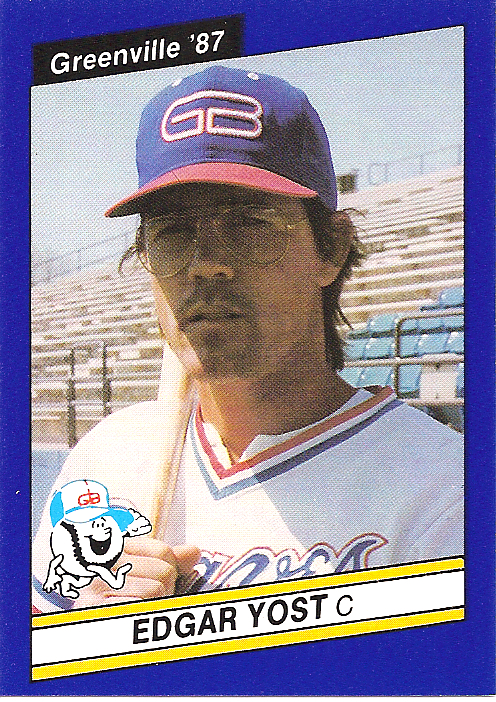
We go back to this well – or perhaps it’s better described as “this bottomless pit” – of the prominent baseball figures of today, as they appeared on minor league baseball cards as recently as 1990 and as long ago as 1975.
In this edition, three of the 2010 managerial changes are fully represented in the bush league cards of 1987 and 1990. Most of what we’ll see is from the panoramic, 2,000+ card set issued, one team at a time, by the ProCards company.
And we’ll do these in chronological (well, 2010 chronological) order. Let’s start in Kansas City:
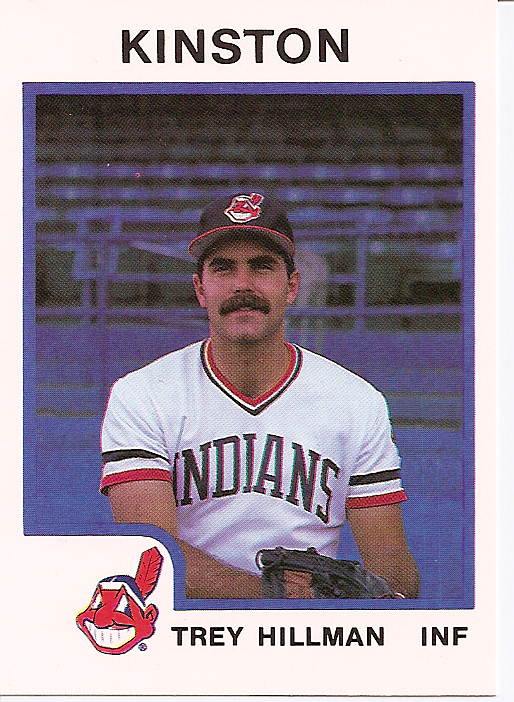
The former manager of the Royals, then a prospect in A-ball for the Indians, no longer has the job but still has the mustache. The new manager of the Royals (right), no longer has the mustache, but has long since stopped having to deal with his given name and goes exclusively by Ned. He, of course, had already been a major league receiver for the Brewers and Braves and would shortly begin his coaching and skippering career.
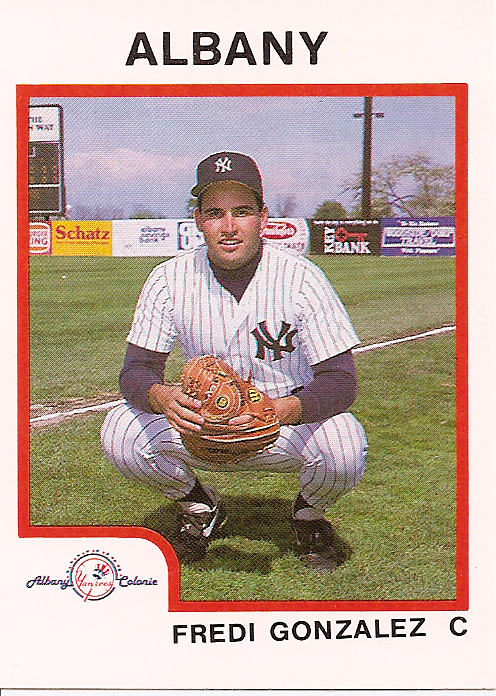
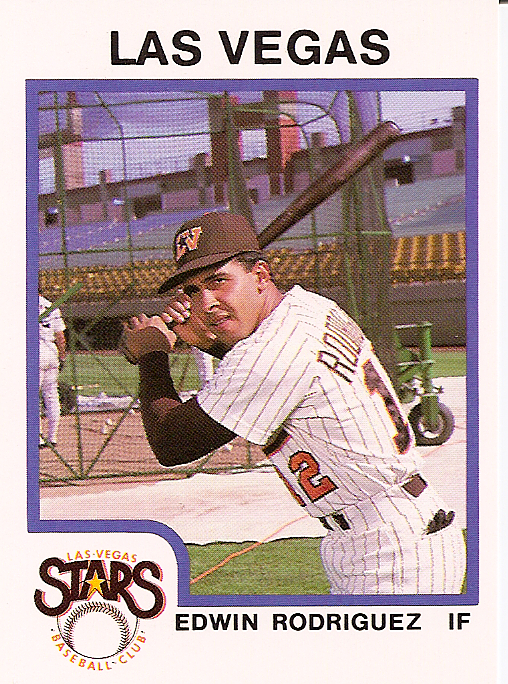
The wayback machine now takes us to the prom pictures of the two men involved in the managerial drama of the Marlins:
87FGonzalez.jpg
87RodriguezE.jpg
Fredi Gonzalez was in AA-ball in the Yankee system in 1987 and Edwin Rodriguez a notch further up in the Padres’ chain, long before one left the Florida dugout and the other entered it earlier this year. Have to say the years have treated them both pretty well. Rodriguez looks a little like the current president in the Las Vegas pose.
One side note here. In going through prospects to replace the current big league managers, I suggested that the Marlins might off Fredi and he would thus move to the top of the possibilities to succeed Bob Cox in Atlanta.
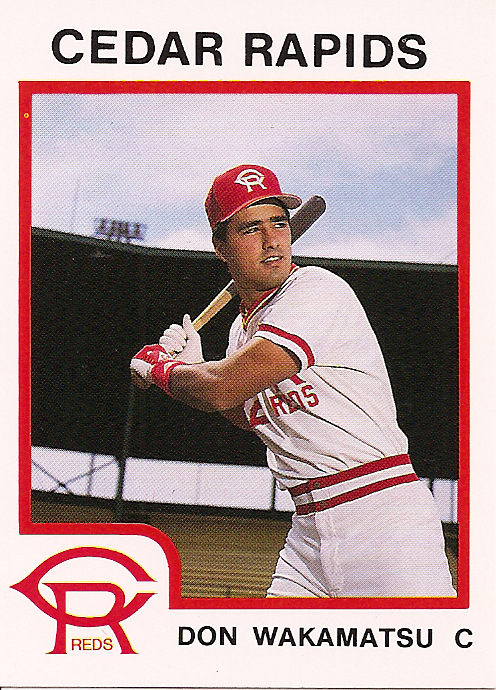
But back to our fun, and the most recent change, in Seattle:
87Wakamatsu.jpg
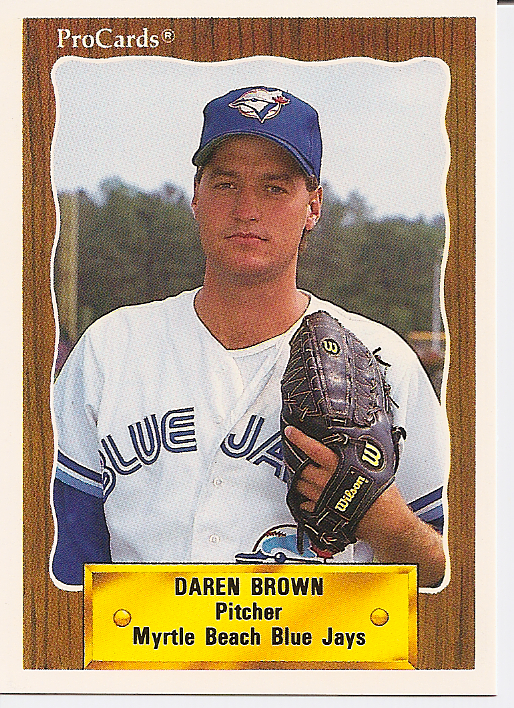
90Brown.jpg
I’m pretty sure it’s the angle of the photography at Cedar Rapids of the Midwest League in 1987 that makes it look like ex-Mariners’ manager Don Wakamatsu is trying to hit with a souvenir bat. Interestingly, his successor, Daren Brown, already had something of a manager’s stare-down in just his second season as a pro, at Myrtle Beach, South Carolina in 1990.
We have plenty more of these to go through, everything from GM’s to ex-GM’s to popular announcers, to superstars and possible Hall of Famers. I can be bribed into not sharing them, by the parties depicted, and you birds know who you are.

Episode Three: When They Were Minors

Another round of fun with vintage minor league cards of the more familiar figures of 2010:

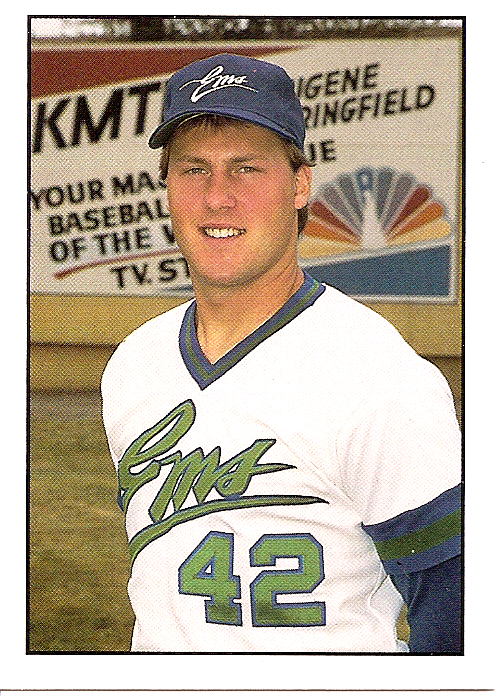
These are both from Michael Cramer’s Pacific Trading Cards and both depict pretty good pitching coaches. That’s Dave Wallace (later interim GM of the Dodgers, currently minor league pitching instructor for the Braves) during a stint in AAA in 1976, and on the right, a decade later with Eugene Emeralds of the Northwest League, that’s current Angels’ pitching coach Mike Butcher.

1976Wallace.jpg
We move to the broadcast booth. 31 years ago, Kevin Kennedy was one of the more highly-rated catching prospects in the minors, first in the Dodger system and then, as we see him on the 1979 TCMA Rochester Red Wings’ card on the left, with the Orioles. Kevin and I worked together at Fox Sports and he now does the Rays’ games with DeWayne Staats. On the right, the one and only Mark Grant of the Padres (and a commendable major league pitching career), from a Fritsch 1982 Midwest League set. That’s an extraordinary rare image of Mark. He appears to be not talking.

Kennedy1979.jpg
1982grant.jpg
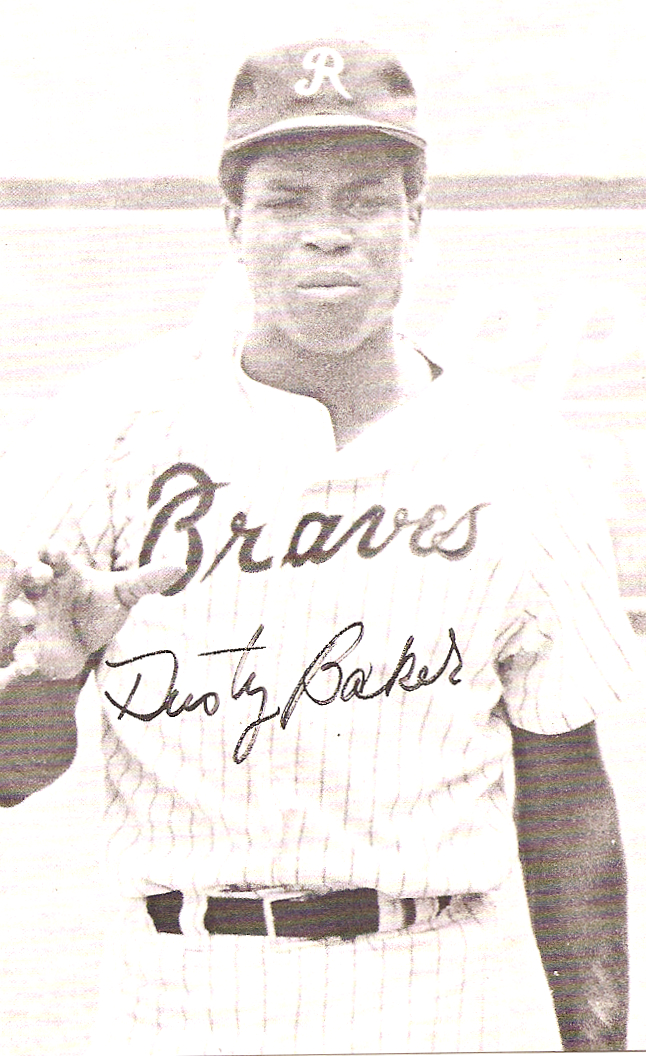
Finally, two current big league skippers. The card producers, on the left, Fritsch again, and on the right, a rare team-issued set from the Richmond Braves of 1971. I think you can identify them without my help, especially from the hand gesture from the gentleman on the right – which would be recognizable by any fan of the Giants, Cubs, or Reds, or any National League Umpire!
1983Geren.jpg
1971Baker.jpg

My Friend, Nellie King

Nelson “Nellie” King, pitcher and announcer of the Pittsburgh Pirates – author of one of the most distinctive baseball autobiographies ever written – one of the special people, beloved by most everybody who got to know him – passed away early this morning at the age of 82.

Few of us today can understand the necessity of persistence. Nellie lived it. He determined to pitch in the big leagues when that first meant convincing an independent club in the South to hire you, and another one to hire you after the first one changed its mind. Learn and practice and sweat and stick to it for eight years and you’d finally get there, as he did with the Pirates in 1954. And then watch it vanish due to an injury within four years. 
So he started anew in another field: broadcasting. He did it not the way a player will today, stepping directly from the field to a big league booth. He went out and learned it, working at a series of small radio stations in suburban Pittsburgh – going to Forbes Field to report on the very team he had just been pitching for – and doing that for another seven years before getting a big break and a spot with the Pirates’ announcing team.
When fickle management made that end eight years later, Nellie King persisted again, going to Duquesne University as Sports Information Director, color announcer on the school’s basketball broadcasts, and golf coach. This career, his third, stuck. He only retired from the last parts of it six years ago.
Nellie recounted all of this in an extraordinary autobiography called Happiness Is Like A Cur Dog which I recommended at length here in this blog last November. The book is available here, and a wonderful obituary has been posted on the blog of the Duquesne radio station.
I had spoken to Nellie last Saturday and for what we both knew to be goodbye; the conversation was upbeat and philosophical and there were even some laughs. And though I was the one getting up and going back into the world and not he, the reassurances and the encouragement came from him to me.
I understand that was pretty much everybody’s experience with Nellie King, every day. I don’t think there’s anything better you can say about someone’s life. Farewell, Nellie, and — and I know it’s an odd word at a time like this – congratulations.

Such A Strange Day At Yankee Stadium

Alex Rodriguez: DNP – Broadcast-related injury.
There are two versions of how A-Rod came to miss this afternoon’s second game of the Yankees-Red Sox series. In the first version, with Rodriguez standing near third base while teammate Lance Berkman took his batting practice cuts, my former Fox Baseball colleague Joe Buck shouted out to him. Rodriguez, in his 17th professional season, inexplicably turned to answer him, and while not keeping his eye on what was happening at the plate, got nailed in the shin by a Berkman liner.
In the second version, Buck was minding his own business in foul territory behind third base, when Rodriguez, in his 17th professional season, inexplicably turned to yell “Hi, Joe!,” and while not keeping his eye on what was happening at the plate, got nailed in the shin by a Berkman liner.
Both versions then converge with Rodriguez then doing the Elizabeth-Elizabeth-This-Is-The-Big-One-I’m-Comin-To-See-You-Elizabeth bit, trying to shake off the pain, finally collapsing to the turf behind a protective screen in centerfield, not far behind second base (“I just remember getting hit and started jumping around like a rabbit,” he told The New York Times, “It looked like a scene from ‘Platoon.'”). Several of his teammates, who have long found Mr. Rodriguez to be a kind of dramatic figure, laughed uproariously as they surrounded him, assuming he was overdoing it. The Times includes Derek Jeter and Mark Teixeira in this list. 
After being attended to by Yankee trainer Gene Monahan and a couple of Yankee Stadium paramedics Rodriguez limped off. We are told he personally told utilityman Ramiro Pena something like “You’ll have to play kid, I’m not going to make it.” It is believed the Yankee team laughter ended before the pronouncement but this has not been verified.
X-Rays of Rodriguez’s leg showed no damage and, to date, no nomination for a Tony, Emmy, or Oscar.
MEANWHILE, IN A HOLE IN THE GROUND:
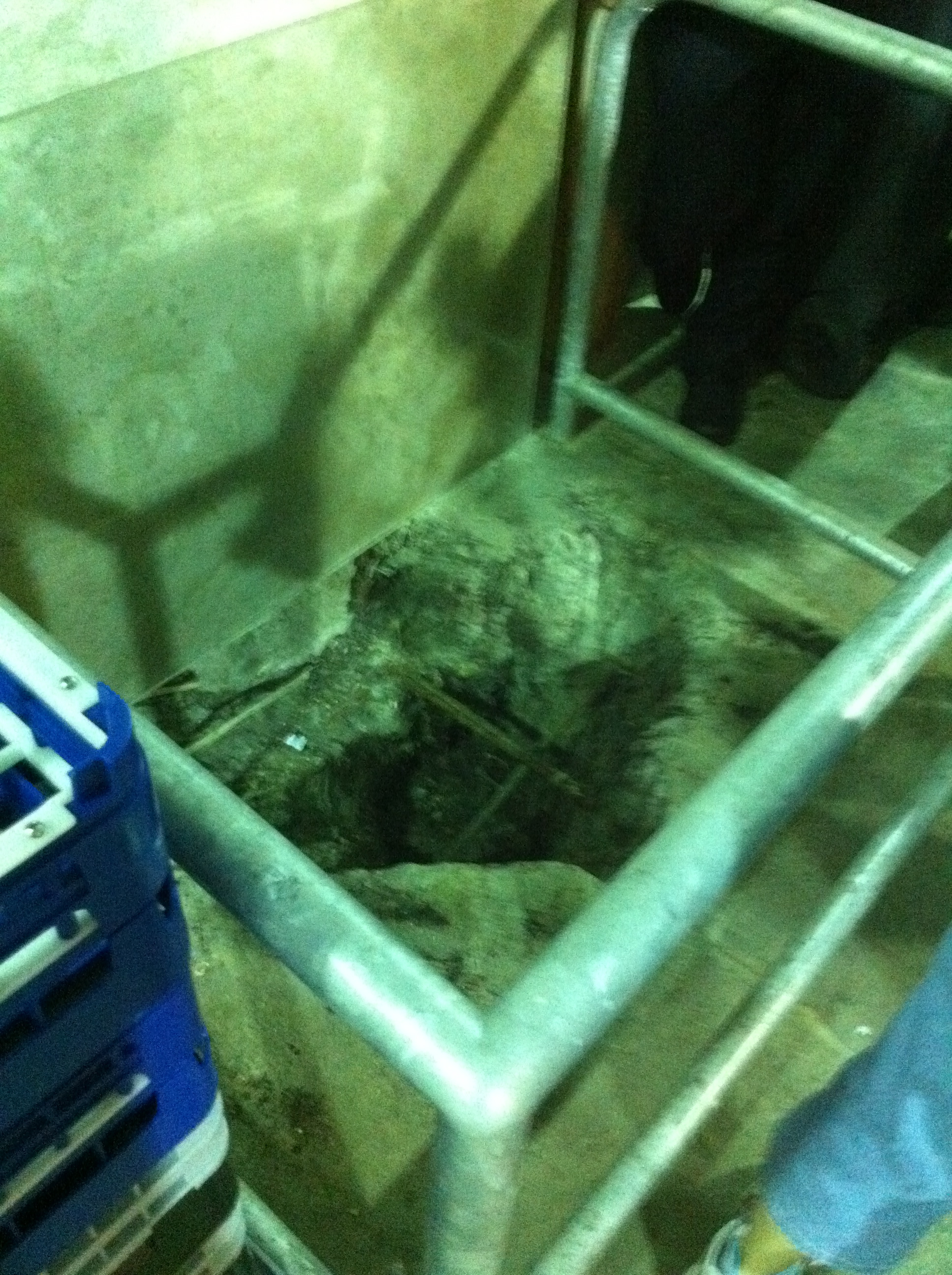
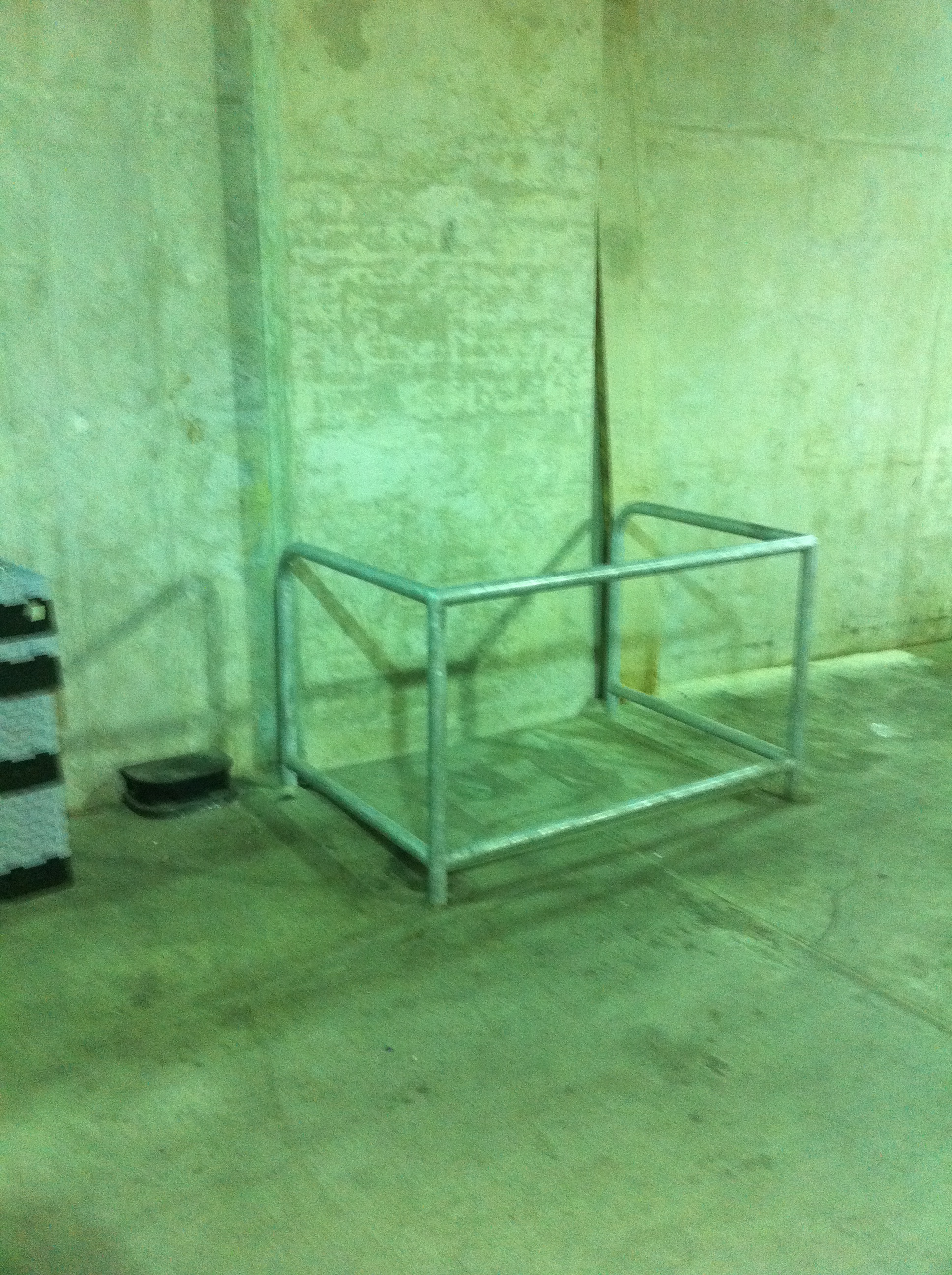
Since the new Stadium opened a year ago, media have noticed this odd scene — just to the visitors’ side of the area behind home plate —  in the giant aqueduct-sized main tunnel that connects the clubhouses and runs from one end of the park to the other (forgive the eerie green colors, that’s pretty much what it looks like back there):
My assumption all this time – and my fairly good sense of direction/location from my tours of the park while still under construction in 2008 – was that this was the exact spot from which the contractors pulled the David Ortiz shirt which had been buried by a mischievous Red Sox fan (I was told the guy also buried a scorecard from the 2004 ALCS in which Boston rallied from down oh-three, but the Yanks have always denied this). But why the railing?
The answer is below:
The hole was never filled back in!
The seemingly solid surface shown in the first photo is in fact a large piece of plexiglas, clouded with dust, which can be lifted up by an alert uniformed attendant, for the benefit of fans in the Suites Club. They can then stand around and take pictures of an attempted Reverse Curse (or, for the less dramatically-inclined, a hole in the ground).

AND FINALLY:
The front edge of a new age. Heard, for the first time, before the Yanks and Sox met, from a fan, to one of the swarming Stadium employees, outside the home plate entrance: “And where did you say the old stadium was?”

Youkilis Not Expected Back This Year

Two unimpeachable sources now advise that Red Sox first baseman Kevin Youkilis, who appeared to jam his thumb while batting the other night, has in fact so severely torn a muscle – possibly a torn ligament – that whether or not he will actually require surgery on the injured hand, he is not expected to play again this season.

Youkilis is, as revealed earlier, headed for a further examination tomorrow by Dr. Thomas Graham, hand specialist at the Cleveland Clinic.

Further details as they become available.